



Field Notes: Unchained Summit in Da Nang
June 2, 2026
3 mins read
A short field note from Unchained Summit in Da Nang on Vietnam's digital asset market: real opportunity, real friction, and a lot of work still happening in the infrastructure layer.
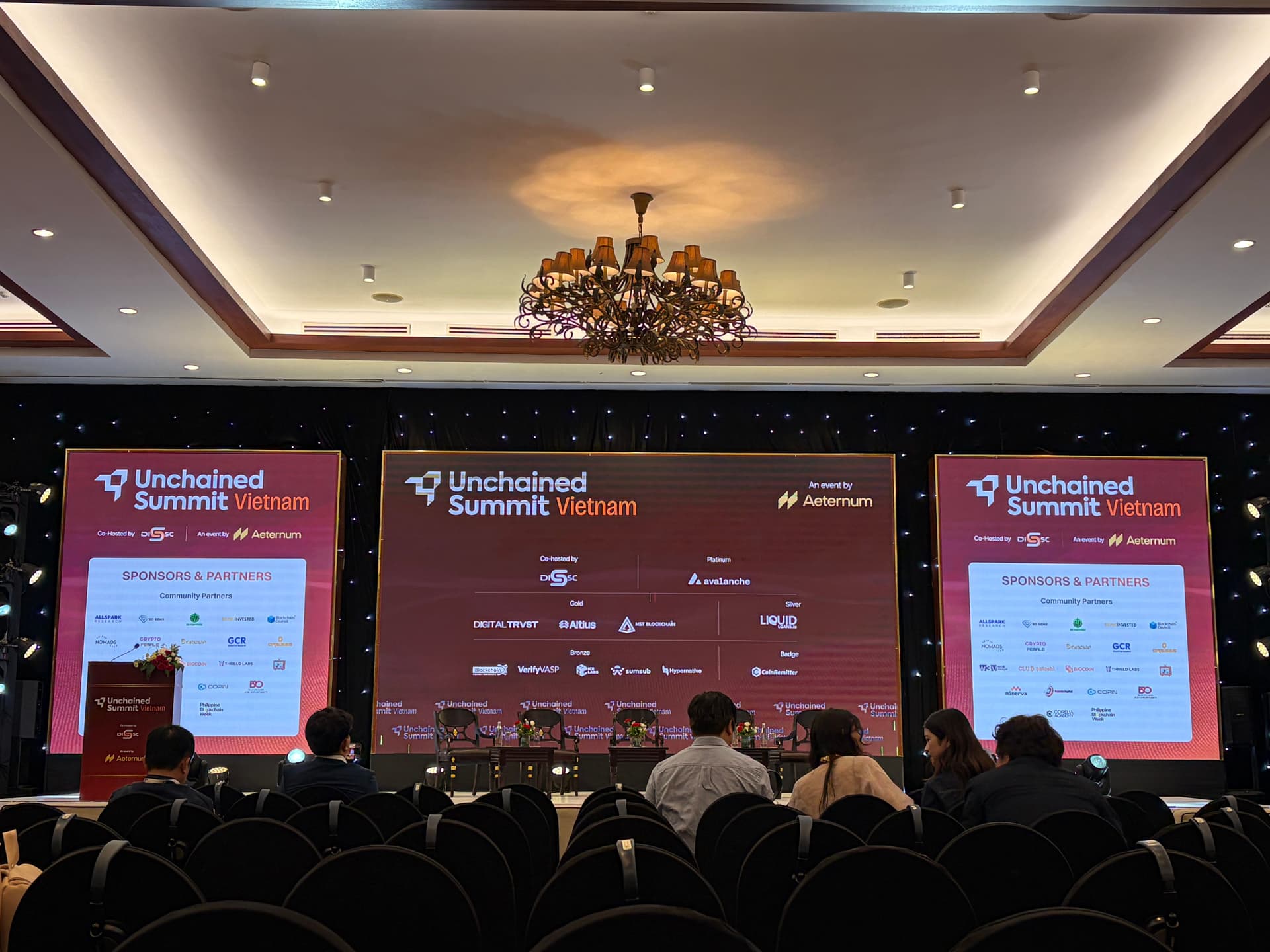


The Orochi team spent a week at Unchained Summit in Da Nang, the trip gave us a clearer sense of where Vietnam stands right now.
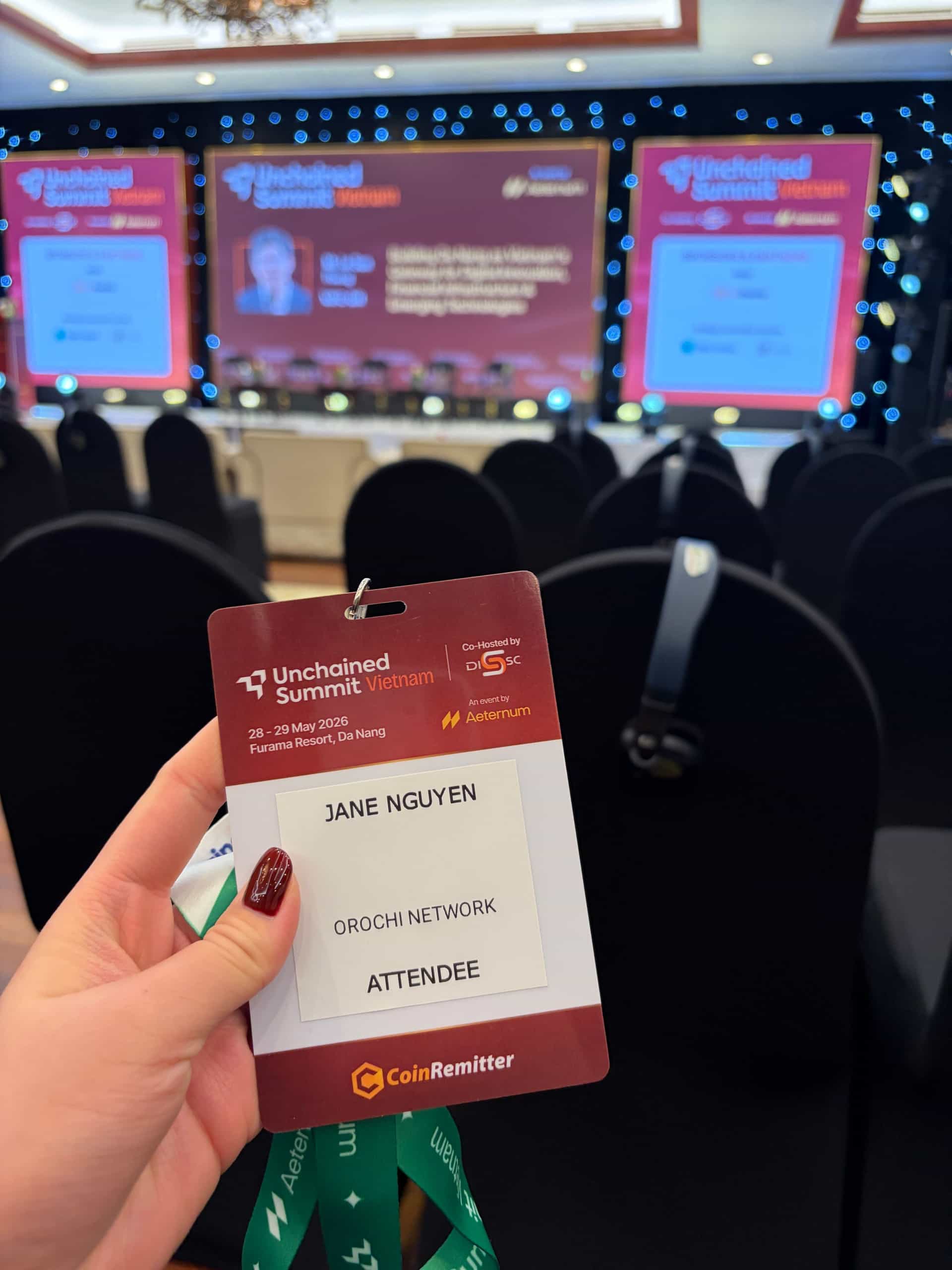 Orochi Network at Unchained Summit in Da Nang.
Orochi Network at Unchained Summit in Da Nang.What did the conversations say about Vietnam right now?
The strongest impression was that people are interested, but not rushing. A lot of international teams were there to feel out the market, make connections, and understand the operating environment before committing too aggressively.
That did not read like skepticism. It felt more like realistic caution.
Vietnam has real energy around digital assets, and the government's willingness to engage with the space matters. Many markets still try to keep the conversation at arm's length. Vietnam is at least having the conversation in the open.
But the execution layer is still complicated. Regulatory interpretation, tax uncertainty, and cross-border capital rules create a wide gap between the opportunity people see from the outside and the reality of operating a business on the ground.
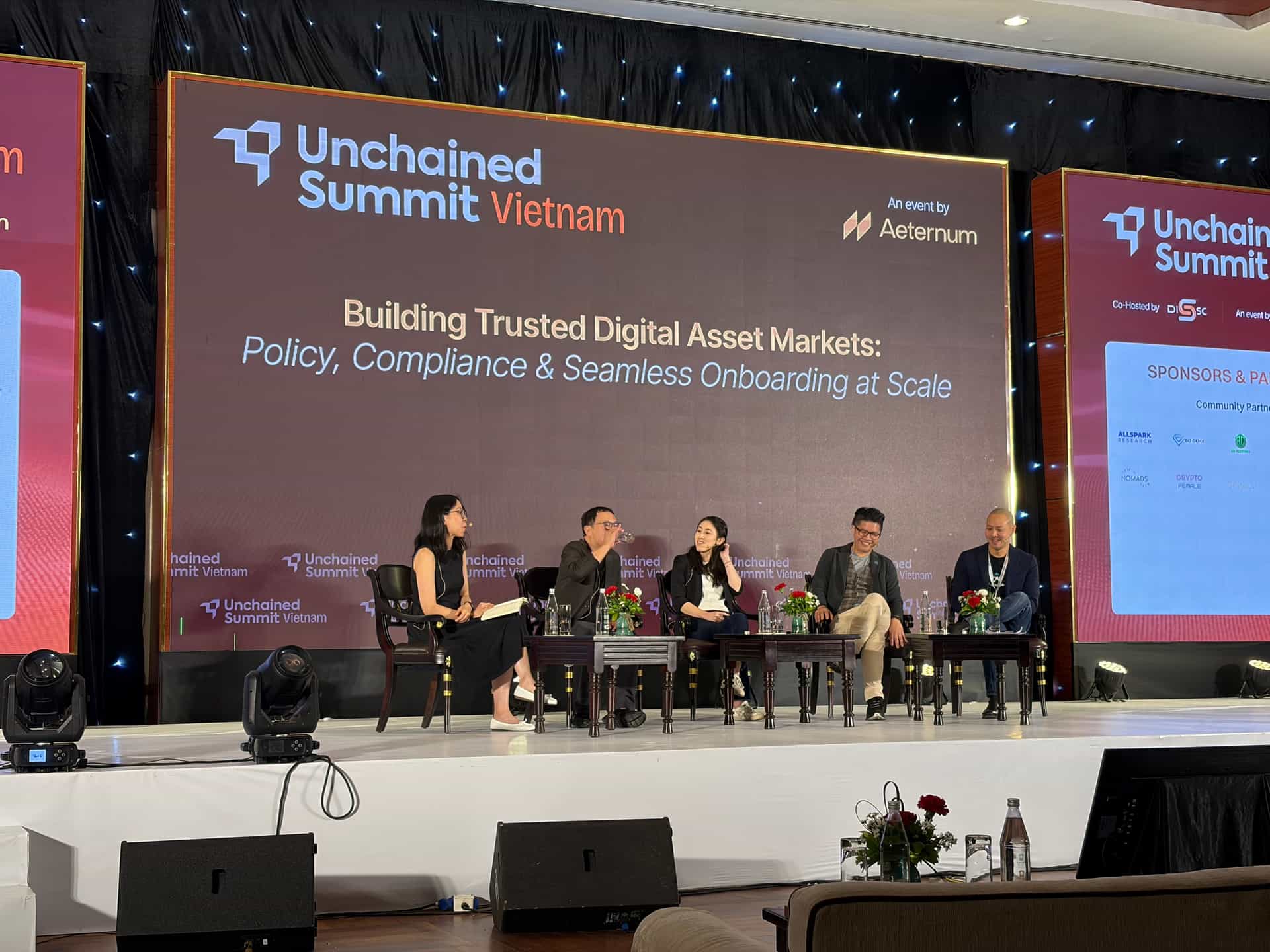
Policy, compliance, and onboarding were recurring themes throughout the week.
What topics felt most useful?
The more productive conversations were not about speculation. They were about the plumbing underneath adoption.
Compliance came up again and again. So did digital identity, Real-World Assets, tokenization, and legal bridges to financial hubs like DIFC. That was the part that felt most aligned with what we keep seeing across the region: the market is less interested in another broad narrative and more interested in whether the operating stack can actually hold up.
For institutions, that stack includes data, verification, privacy, and auditability. If capital is going to move through tokenized assets, stablecoins, or regulated digital asset workflows, counterparties need a way to verify what is true without exposing everything underneath.
That is the part we spend most of our time thinking about at Orochi Network. zkDatabase was built from the thesis that capital follows infrastructure. It was useful to hear the market conversation move closer to that point: the backend layers are not a nice-to-have once the audience becomes more institutional.
What did we take away from Da Nang?
The honest takeaway is that Vietnam feels promising and unfinished at the same time. The policy direction matters, and the government engaging with digital assets is a good sign. But the path on the ground is still not simple. The opportunity is real, and so is the caution around regulation, tax, capital flow, identity, and verification.
For Orochi, that made the trip useful in a practical way. It did not create a neat conclusion about Vietnam. It made the open questions sharper, especially around the backend infrastructure that institutional digital asset markets will need before the narrative can turn into normal business activity.


