Field Notes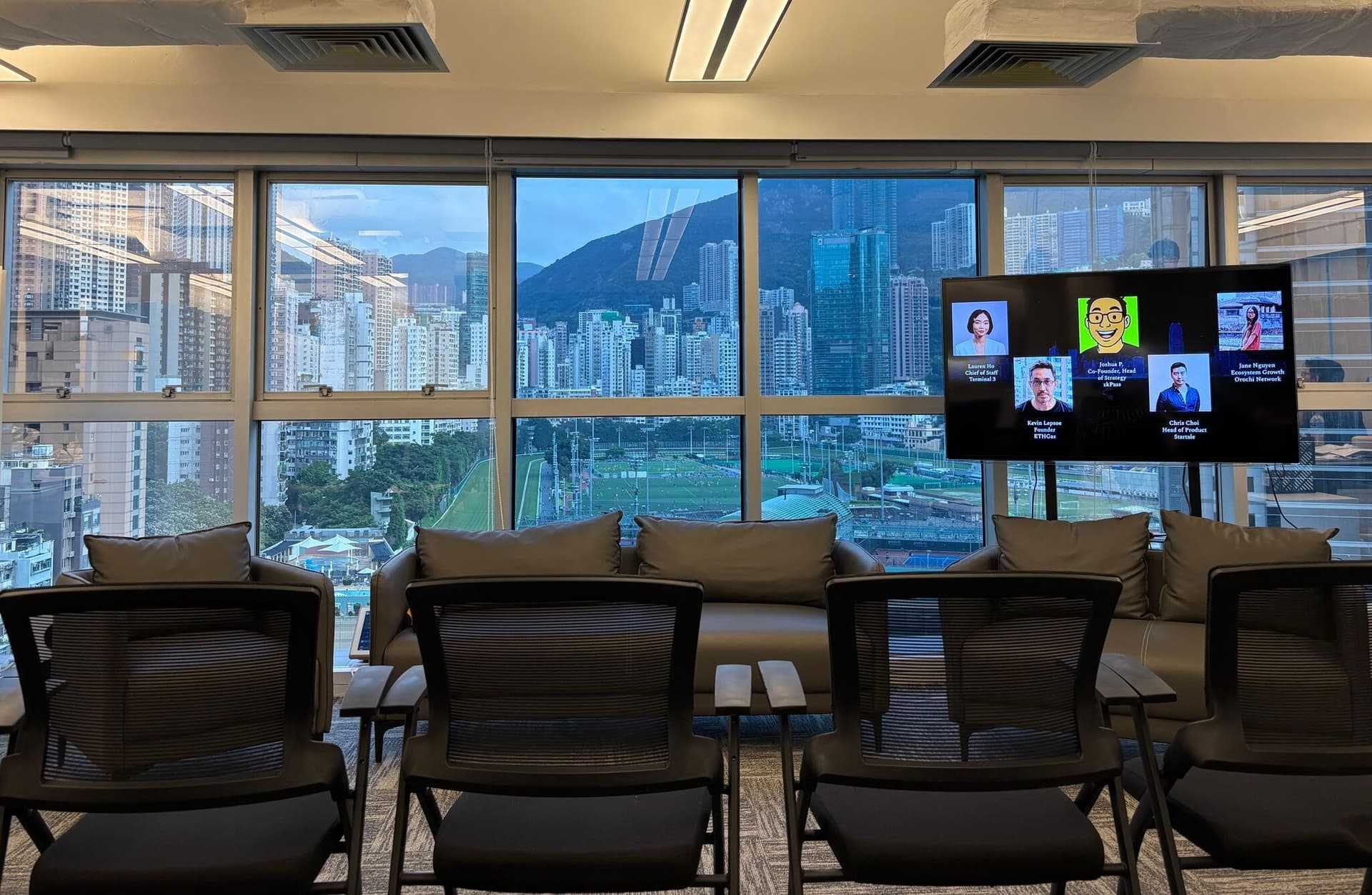
Field Notes: Hong Kong Web3 Festival 2026
May 29, 2026
4 mins read
A short recap from our week at Hong Kong Web3 Festival 2026, and the conversations that stayed with us after the room emptied out.


Field Notes is where we keep short notes from the events and industry trips we come back from.
We spent the week in Hong Kong meeting people, bouncing between side events, and having the same few conversations come up again and again in slightly different forms. We did leave with a clearer view of where things are, but more in a "okay, this is where people are actually stuck" way than in a neat list of takeaways.
What did we like, and what still felt unresolved?
The good part was that the conversations felt more grounded than they did a year ago. RWA tokenization did not feel like a future theme this time. It felt like something people are already trying to make work.
That also meant the questions were less theoretical. More conversations were about where liquidity actually comes from, who ends up owning the compliance stack, and which parts of the infrastructure people are actually willing to trust.
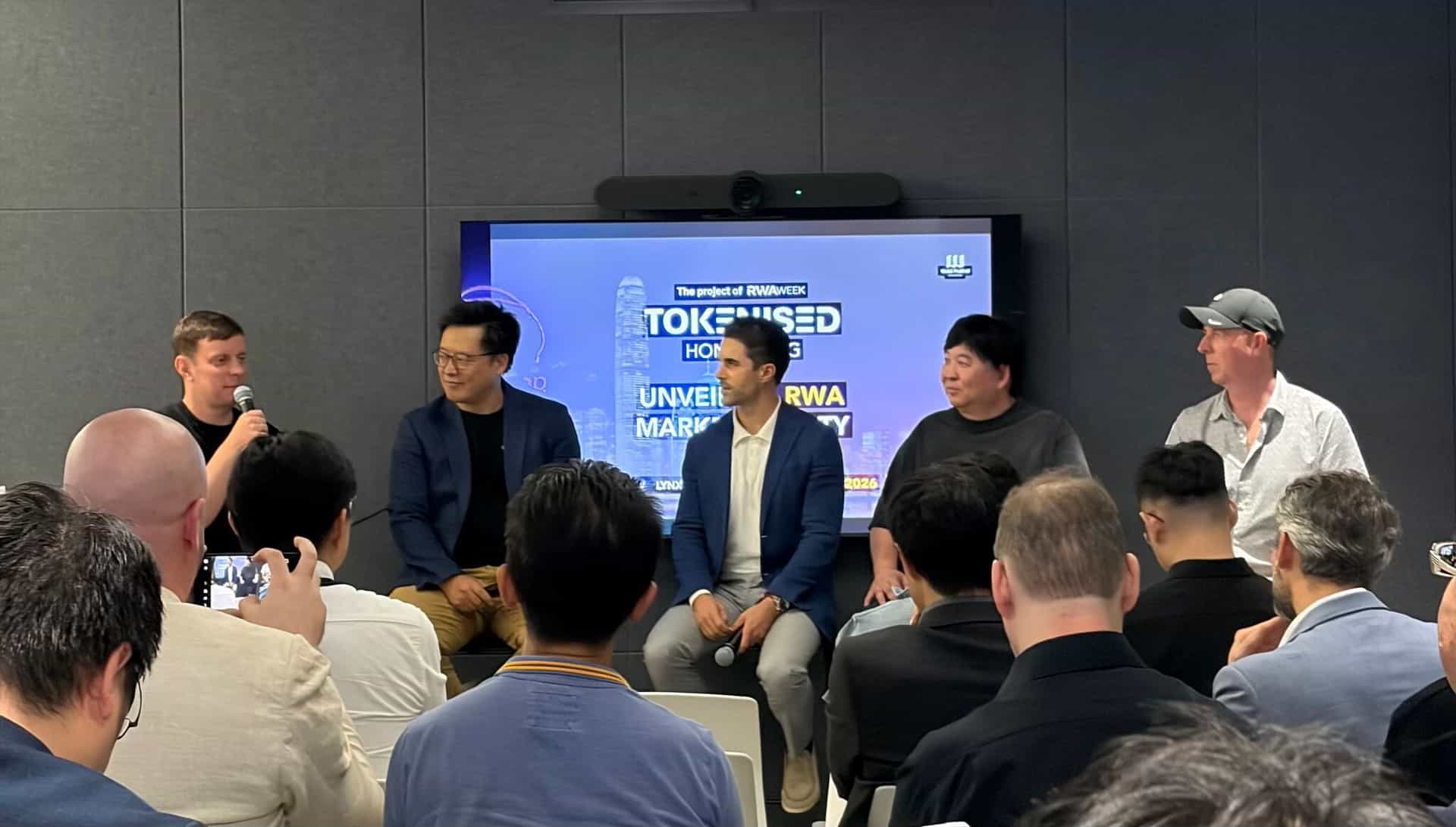 An RWA session during the week in Hong Kong.
Payments felt noisier and earlier at the same time. Stablecoins, cross-border rails, and agentic payment flows came up constantly, and clearly a lot of attention is moving there.
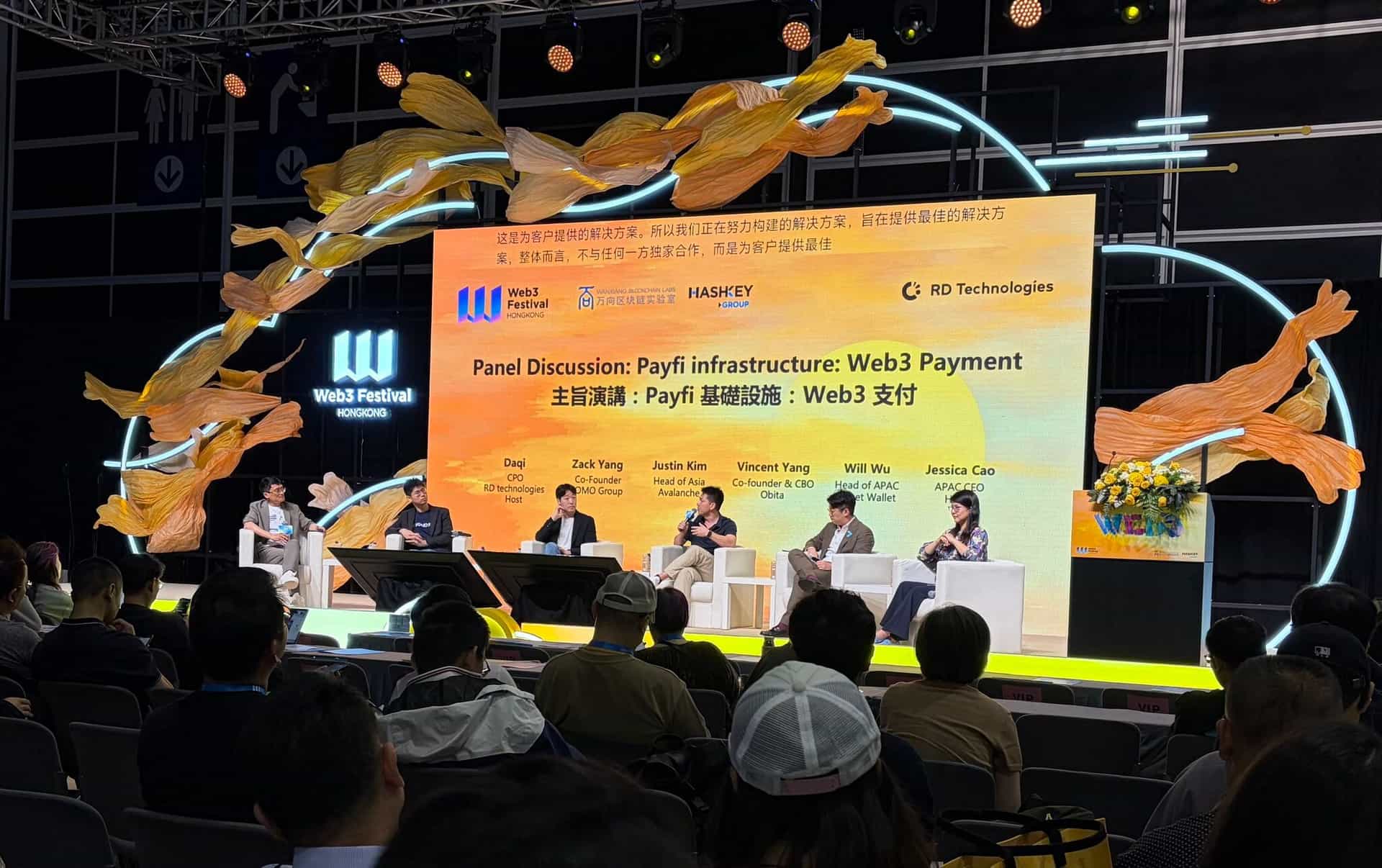 A main-stage payments panel captured a big part of the week for us.
AI agents showed up in a lot of rooms too, especially around payments. That was probably the part of the week where the gap between what people are excited about and what is actually live felt the biggest. People are clearly bullish on autonomous systems moving money or handling financial actions, but once the conversation turns to accountability, controls, or what happens when something fails, the answers get a lot less confident.
That was probably the part we liked least, not because the ideas were bad, but because a lot of conversations still sounded better from far away than they did up close. Once you ask how custody works at scale, how data gets reconciled across counterparties, or what happens when settlement breaks, the room tends to get quieter pretty quickly. Usually that is the point where you can tell the hard part has not been solved yet.
One moment that stayed with us: the side event panel
One moment that stayed with us from the week was the institutional and ecosystem outlook panel Jane joined on April 21. We liked that conversation because it got past the usual event language pretty quickly.
The discussion moved through where EVM adoption is actually picking up across Asia, how Hong Kong and Singapore are pulling capital and talent in different ways, and which types of players are likely to shape the region over the next cycle. Big topics, yes, but it felt like a real conversation rather than a panel where everyone says the expected thing and moves on.
What stayed with us from that session was the same thing we kept feeling across the rest of the week too. Institutional interest is clearly there. The harder question is what kind of infrastructure can actually hold up once the conversation moves past experimentation and into accountability. That is where the discussion gets more useful, and honestly more real.
So what happens after a week like this?
For us, the next step after a week like this is usually pretty simple. We come back, compare notes, and figure out which ideas sounded strong in the room and which ones still felt a bit hand-wavy once you pushed on them.
This time the pattern felt pretty clear. Across RWA, payments, and AI agents, the interest is real. What still needs to catch up is everything underneath it: how systems prove what they are doing, how counterparties verify the same state, and how accountability works when money, automation, and regulation all start colliding in the same workflow.
That is the part we spend most of our time thinking about at Orochi Network anyway, so weeks like Hong Kong Web3 Festival are always useful for us in a very practical way. They help us hear what is getting more concrete, and what people still do not have a clean answer for yet.
Good week, good conversations, and a useful reset. On to the next one.