Research
Oracle Market Challenges | Why Smart Contract is in risk?
October 13, 2025
6 mins read
This article explores the Oracle market's challenges, smart contract vulnerabilities, and how Orochi Network’s zkDA Layer and zkDatabase restore trust with Verifiable Data.


Orochi Network’s zkDA Layer and zkDatabase_ restore trust in Web3 by ensuring Verifiable Data for smart contracts. While these contracts power DeFi, NFTs, and prediction markets, it reliance on oracles leaves them vulnerable to bad data, leading to exploits like the 2022 Mango Markets attack and Polymarket governance manipulations. This article explores the oracle market’s challenges, smart contract risks, and how innovative solutions can secure the ecosystem._
Oracle Market Status Overview
The Oracle Market is a linchpin of Web3, connecting smart contracts to Real-World data such as cryptocurrency prices, weather conditions, or election results. This sector has matured into a multi-billion-dollar industry fueled by the explosive growth of DeFi, gaming, and prediction markets. Chainlink remains the dominant force, securing billions in on-chain value with its decentralized network of nodes and staking mechanisms introduced via Chainlink 2.0. Competitors like Band Protocol, API3, and UMA have carved out niches, with UMA powering platforms like Polymarket to settle prediction market outcomes. Emerging players, such as Tellor and DIA, are also gaining traction by offering lightweight, flexible oracle solutions tailored to specific use cases like NFT valuation or cross-chain data feeds.
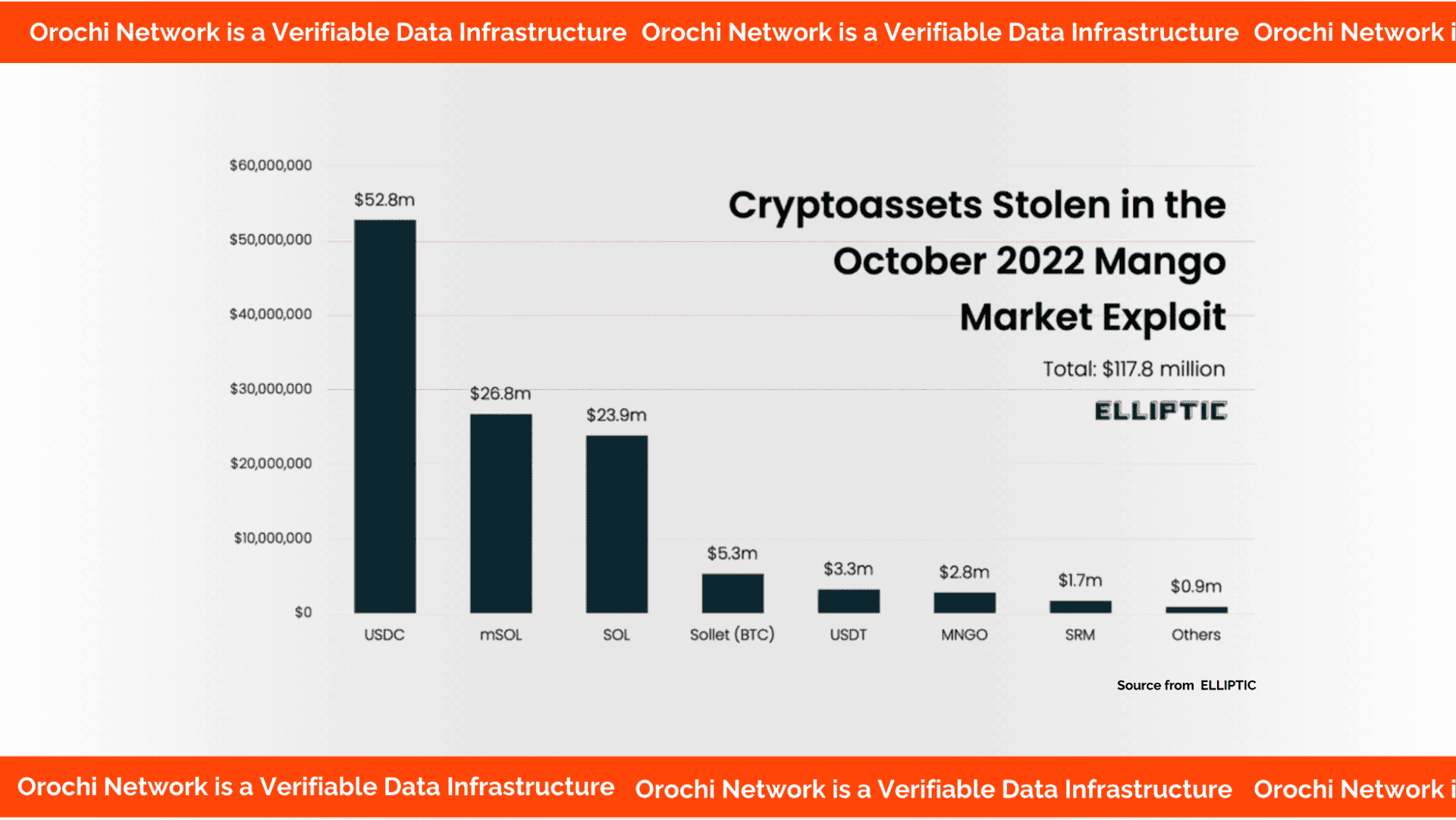
Adoption has surged beyond finance, with Oracles now supporting supply chain tracking, insurance parametric triggers, and even decentralized AI models. For instance, Chainlink’s CCIP (Cross-Chain Interoperability Protocol) has enabled seamless data flow across blockchains, while Polymarket’s reliance on UMA’s optimistic oracle reflects the growing demand for real-time event resolution. Yet, this expansion comes with cracks in the foundation. The 2022 Mango Markets exploit—where attackers drained $100 million by manipulating oracle price feeds—exposed the fragility of even well-established systems. Centralized data sources, governance disputes, and rising gas costs for on-chain verification remain persistent hurdles. As Web3 scales, the oracle market must address these growing pains to maintain its role as the backbone of decentralized innovation.
Oracle Market Status Overview
The Challenges Oracles Are Facing
Oracles serve as a vital bridge between smart contracts and external data, yet they introduce profound challenges that undermine Web3’s vision of trustlessness. A primary issue is the data legitimacy gap: smart contracts cannot directly access or validate external sources, forcing them to depend on oracles as intermediaries—when these deliver inaccurate or manipulated data, contracts execute blindly, often with disastrous results.
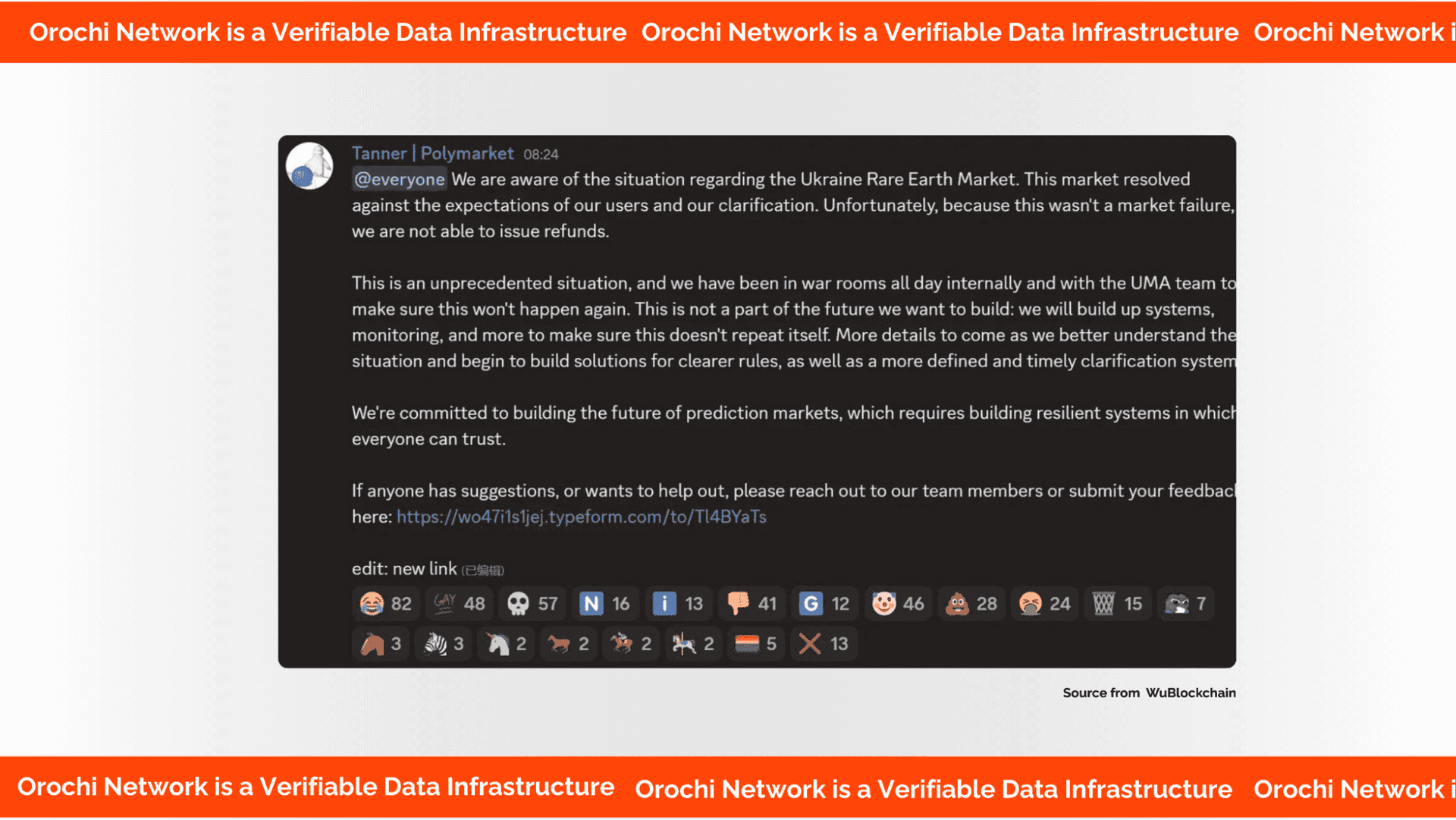
The 2022 Mango Markets exploit exemplifies manipulation risks, where attackers used flash loans to distort thinly traded price feeds, inflating asset values and siphoning $**100 million **from the protocol via oracle-fed smart contracts; similarly, a governance attack on Polymarket saw a UMA tycoon wield 5 million tokens across three accounts—25% of the total vote to rig Oracle outcomes, falsely settling markets for profit.
The Challenges Oracles Are Facing
Centralization vulnerabilities compound the problem, as many oracles rely on limited data providers, creating single points of failure that clash with Web3’s decentralized ethos—Polymarket’s pledge to prevent future attacks highlights this urgency, though the broader oracle market continues to grapple with these flaws.
At the heart of this event was JELLYJELLY, a memecoin on the Solana blockchain, which saw a dramatic** 429% short **squeeze from 21:00 to 22:00 UTC+8. The surge was sparked by a trader who took a hefty short position on Hyperliquid’s JELLY perpetual futures (perps) and then artificially boosted the token’s price on Solana decentralized exchanges (DEXs). This deliberate move forced a self-liquidation, transferring the short position to Hyperliquid’s vault, which soon racked up over $10.5 million in unrealized losses. Had JELLYJELLY’s price hit 0.15374, the vault’s $230 million reserve could have been entirely depleted, setting off a chain reaction that would have driven the liquidation price even lower.
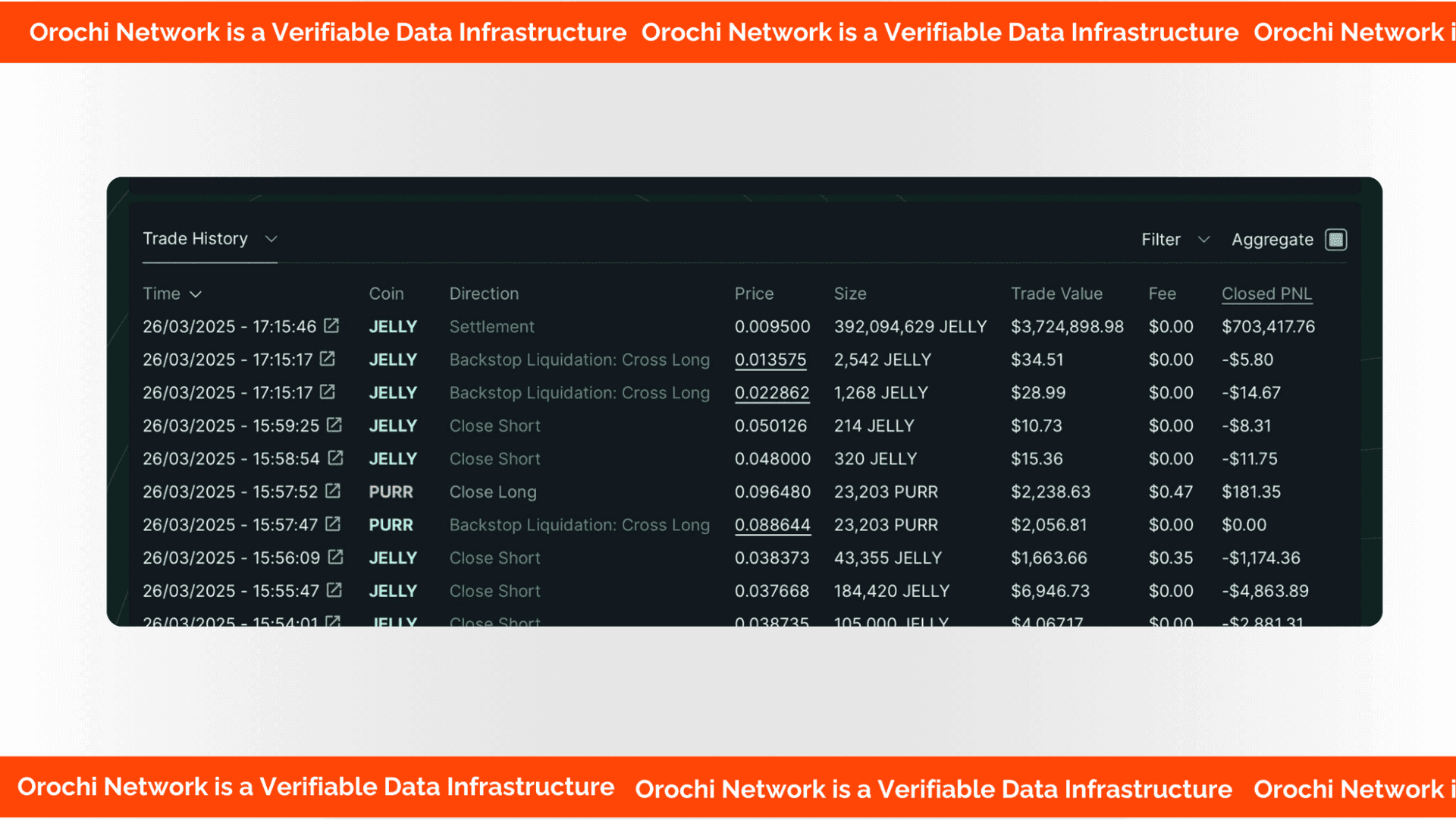
Hyperliquid acted quickly, tweaking its Oracle pricing mechanism. Following signs of abnormal market behavior, its validator council convened an urgent session and decided to delist JELLY perps. Records show the short position was closed at $0.0095 by 23:15 UTC+8—prior to Binance and OKX revealing their own JELLYJELLY perp listings—when the token’s market price hovered around $0.045. This closure netted the HLP vault a $703,000 profit, though it fell short of covering the $12 million deficit. Currently, HLP’s 24-hour profit and loss (PNL) sits at roughly 700,000 USDC.
Why Smart Contracts Can Be Easily Changed
Contrary to popular belief, smart contracts aren’t entirely immutable. While their code remains fixed post-deployment, their behavior hinges on the data they consume—data controlled by oracles. This dependency makes them surprisingly susceptible to external influence. When an Oracle feeds corrupted or manipulated inputs, even a perfectly coded smart contract can produce unintended results.
Take the Mango Markets exploit, attackers didn’t hack the contract’s logic but skewed the Oracle’s price data, tricking the system into overvaluing collateral and enabling massive withdrawals. Likewise, the Polymarket governance attack didn’t alter the smart contract itself—it exploited UMA’s oracle voting mechanism to dictate false outcomes. In both cases, the smart contract executed flawlessly on bad data, revealing a critical flaw; their inability to verify third-party inputs leaves them open to manipulation. This vulnerability isn’t just a technical glitch—it’s a systemic risk that could stall Web3’s growth if left unchecked.
The Solution Improving Orcale Market by Verifiable Data
To mitigate these risks, the Oracle market needs solutions that ensure smart contracts receive provably correct data. This is where Orochi Network’s solution shines, offering a groundbreaking approach with its zkDA Layer and zkDatabase. Unlike traditional oracles, which relay data without inherent validation, Orochi leverages Zero-Knowledge Proofs (ZKPs) and on-chain verification to guarantee data integrity.
-
zkDA Layer: This technology enables smart contracts to process externally sourced data with cryptographic assurance of its accuracy. By embedding verification directly into the data pipeline, zkDA Layer eliminates the blind trust problem, ensuring that only legitimate inputs trigger executions.
-
zkDatabase: This system provides a decentralized, tamper-proof repository of Orochi Data Verifiable by design. It allows smart contracts to query real-world information—prices, events, or metrics—without relying on potentially compromised third parties.
Imagine a redo of Mango Markets with Orochi’s products, manipulated price feeds would fail zkDA’s verification, halting the exploit before it began. Similarly, Polymarket’s governance attack could be thwarted by reducing reliance on manipulable voting systems in favor of cryptographically secured data. The Orochi Network solution doesn’t just patch the oracle problem—it redefines it, aligning Web3 with its trustless vision.
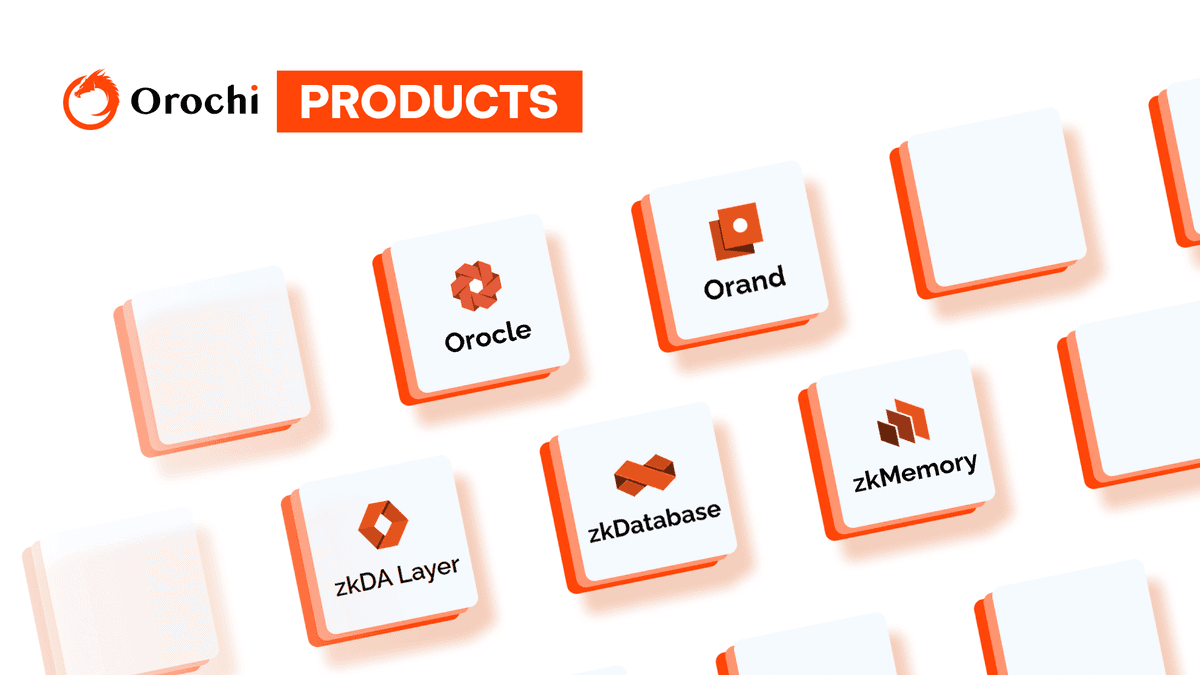
Reading out more products of Orochi Network on CookBook
Final Words
The Oracle Market stands at a pivotal moment, smart contracts promise a decentralized future, but their reliance on unverified third-party data creates risks that Web3 cannot afford to ignore. From the $100 million Mango Markets loss to Polymarket’s governance scare, the stakes are clear, without reliable oracles, smart contracts remain a double-edged sword. Solutions like Orochi Network’s zkDA Layer and zkDatabase offer a path forward, embedding verifiable data into the heart of Web3. As the ecosystem matures, adopting such innovations will be crucial to overcoming oracle challenges and securing the trustless, decentralized promise of tomorrow.
Reading more about
Related toResearch