Research
Proof-of-Reserves 2.0 (PoR 2.0) | How zkDatabase Powers Stablecoin Transparency
November 4, 2025
7 mins read
PoR 2.0 brings real-time, privacy-preserving audits to CEXs and stablecoins. Powered by zkDatabase from Orochi Network, it ensures secure off-chain data and ZK-based proofs—scalable, trustless, and ready for regulation.


Proof of Reserves 2.0 (PoR 2.0) is revolutionizing how centralized exchanges (CEXs) and stablecoins demonstrate solvency and transparency. Powered by Zero-Knowledge Proofs (ZKPs), PoR 2.0 eliminates the trade-offs of traditional auditing methods. At the heart of this new paradigm is zkDatabase by Orochi Network, a Verifiable Data Infrastructure that secures off-chain data while generating trustworthy cryptographic proofs, enabling PoR 2.0 to be scalable, privacy-preserving, and regulation-ready.
What is Proof of Reserves (PoR)?
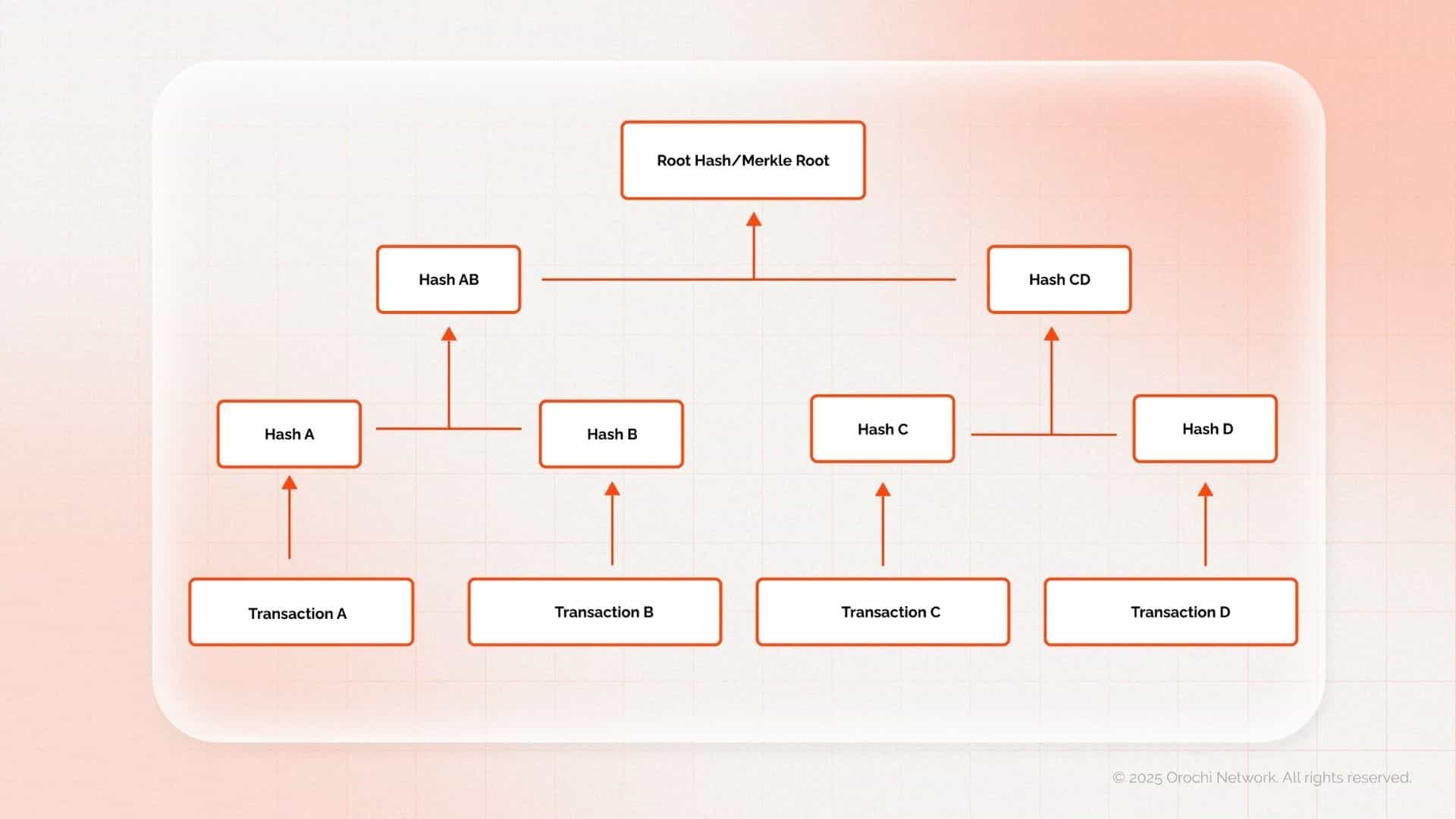
Proof of Reserves (PoR) is a mechanism used by exchanges and institutions to prove that reserve funds are sufficient to cover user liabilities. Traditional PoR often involves:
- Publishing wallet addresses
- Constructing a Merkle Tree
- Allowing users to verify the inclusion of their balances
While this improves transparency, traditional PoR has limitations:
- Privacy concerns: user balances or identifiers may be exposed
- Reliance on third-party auditors or exchange UI for verification
- Audits are periodic, not continuous
Proof of Reserves 2.0 (PoR 2.0)
PoR 2.0 upgrades the traditional model by leveraging Zero-Knowledge Proofs (ZKPs), enabling exchanges to prove that all customer balances are accounted for without disclosing sensitive data. Key innovations include:
- Continuous or near real-time auditing, replacing infrequent attestations
- Full privacy protection for users
- Cryptographic guarantees reduce reliance on third-party auditors
For instance, some leading exchanges are using zk-SNARK technology to implement “100% Proof of Reserves,” enabling instant, verifiable proof that total reserves meet customer liabilities.
The Current Landscape of the Global Stablecoin Market
As of mid‑2025, the global stablecoin market has firmly moved beyond a niche crypto tool to a foundational component of the digital asset ecosystem, with a circulating supply estimated between US$230 billion and US$250 billion, and transaction volumes reaching trillions annually.
Image Chart Order...
Institutional adoption is accelerating, regulatory frameworks are advancing, and stablecoins are increasingly being used not just for speculative crypto trades but for real‑world payments, cross‑border transfers, and programmable finance.
Yet with this growth comes heightened scrutiny: the question of whether issuers truly hold sufficient, verifiable reserves has become central to trust, stability and systemic risk in the broader financial system.
In short, the stablecoin sector needs robust mechanisms of transparency and verifiable backing, making the evolution of Proof‑of‑Reserves (PoR) from legacy periodic audits toward continuous, cryptographically‑provable frameworks not just important, but essential.
PoR vs. PoR 2.0: Feature Comparison
| Feature | PoR | PoR 2.0 |
|---|---|---|
| Technology | Merkle Tree + off-chain verification | Merkle Tree + ZKPs (zk-SNARK / zk-STARK) |
| Audit Frequency | Monthly/Quarterly | Continuous / Real-Time |
| Privacy & Security | Partial (hashed usernames) | Full protection of personal data and balances |
| Fraud Risk | Vulnerable to fake accounts or frontend manipulation | ZKPs ensure total balances match reserves and are non-negative |
How it works:
- Exchanges commit user balance data into a Merkle Tree
- ZKP is generated to prove total balances ≤ total reserves without revealing individual accounts
zkDatabase - Core Infrastructure for PoR 2.0
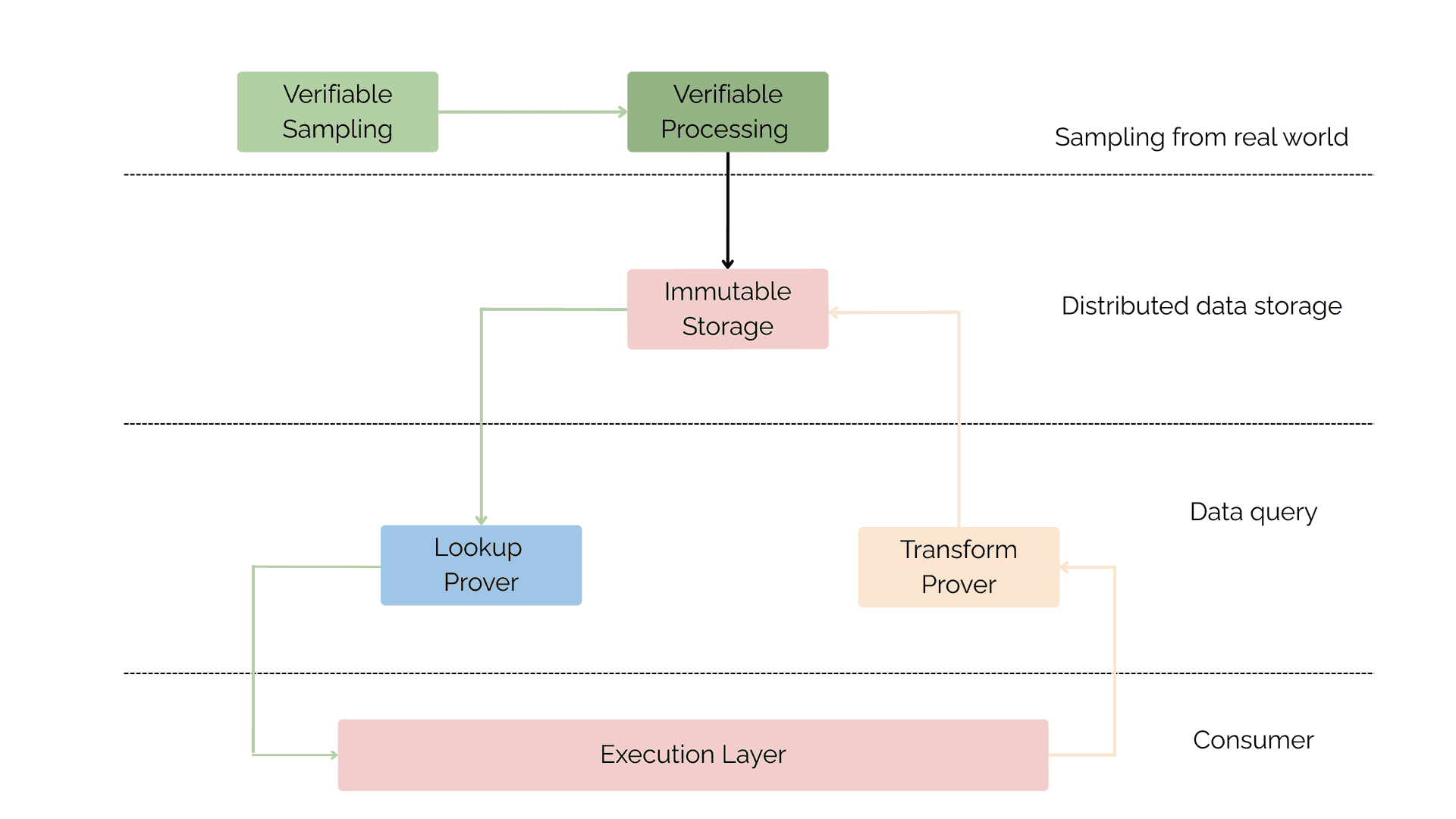
zkDatabase is a Verifiable Data Infrastructure designed to optimize PoR 2.0:
- Off-chain data storage: Handles user balances, internal transfers, and custodial records efficiently
- Automatic cryptographic proof generation: Verifies that total holdings match on-chain or custodial reserves
- Merkle Tree + ZKP combination: Maintains efficiency while providing cryptographic security
Attestations Over Stablecoins
Attestations performed by independent public accounting firms have been the industry standard since 2018. Internationally, firms typically follow ISAE3000: Assurance Engagements Standard, and in the U.S., AT-C 205: Examination Engagements Standard.
These attestations differ from full financial audits:
- Scope focuses only on tokens outstanding and underlying reserves
- Allows more frequent publication due to reduced operational burden
- Provides transparency while limiting disclosure of unrelated company financials
Management must make assertions regarding the stablecoin, and auditors evaluate whether these assertions are materially accurate. Importantly, this allows management to include additional characteristics in the attestations, such as reserves held in segregated accounts, trust arrangements, or insurance coverage.
Auditors help define the scope of assertions, but ultimate responsibility lies with management, ensuring the attestation reflects both accuracy and accountability.
The Importance of Proof of Reserves (PoR) for Stablecoins
In the rapidly growing stablecoin market, trust and transparency are critical. Stablecoins are designed to maintain a 1:1 peg with fiat currencies like USD, but this promise is only meaningful if reserve assets fully back the tokens in circulation. This is where Proof of Reserves (PoR) plays a pivotal role.
Ensuring Full Collateralization
A stablecoin’s value depends on its ability to redeem tokens for the underlying fiat or digital assets. PoR provides a cryptographically verifiable way to confirm that total reserves match total liabilities, preventing under-collateralization and safeguarding the peg.
With zkDatabase, stablecoin issuers can automate this verification in real-time, ensuring that every token issued is backed without exposing sensitive user data.
Building User Confidence and Market Trust
Investors, retail users, and institutional participants need assurance that a stablecoin is reliable. Regular PoR attestations demonstrate that reserves are complete, segregated, and auditable, which:
- Reduces concerns over liquidity crises or bank runs
- Increases adoption for payments, cross-border transfers, and DeFi applications
- Supports confidence in regulated jurisdictions
zkDatabase strengthens this trust by allowing continuous PoR verification that is independently auditable and privacy-preserving, addressing limitations of periodic audits.
Enhancing Regulatory Compliance
As regulations like the GENIUS Act (U.S., 2025) and other international frameworks evolve, issuers are expected to provide proof of solvency and compliance. PoR helps demonstrate adherence to:
- Reserve disclosure requirements
- Audit and attestation standards (ISAE3000 / AT-C 205)
- Risk management and custody protocols
By integrating zkDatabase, stablecoins can automatically generate cryptographic proofs that satisfy regulators while reducing operational overhead and ensuring transparency in both domestic and international markets.
Reducing Fraud and Operational Risks
Stablecoins are vulnerable to risks such as:
- Misreporting of reserves
- Backend errors or smart contract vulnerabilities
- Insider fraud or mismanagement
PoR 2.0, powered by zkDatabase, mitigates these risks by cryptographically proving total reserves match liabilities, without exposing individual account details, making fraudulent manipulation nearly impossible.
Supporting Real-Time Decision Making
In traditional auditing, attestations are periodic, leaving gaps in transparency. With PoR 2.0 and zkDatabase:
- Exchanges and issuers can continuously monitor reserves
- Users can independently verify holdings in real-time
- Regulators and auditors gain instant access to verified proof
This real-time verification model significantly strengthens financial integrity and stability in the fast-moving digital asset ecosystem.
On Chain Proof of Reserves
zkDatabase enables a fully on-chain Proof of Reserves (PoR 2.0), bringing transparency, privacy, and auditability to stablecoins and exchanges. The workflow works as follows:
- Secure Off-Chain Data Storage: User balances, internal transfers, and custodial holdings are stored in zkDatabase, ensuring data integrity without exposing sensitive information.
- Zero-Knowledge Proof Generation: zkDatabase automatically generates ZKPs to prove that total liabilities are fully covered by reserves without revealing individual account balances.
- On-Chain Publication: These cryptographic proofs are published on-chain, allowing regulators, users, and DeFi protocols to verify solvency in real-time.
- Continuous Updates: zkDatabase supports near real-time updates, ensuring that proofs remain accurate as balances and reserves change.
By leveraging zkDatabase, stablecoins and exchanges can provide continuous, verifiable, and privacy-preserving proofs directly on blockchain networks. This eliminates reliance on periodic audits, reduces operational overhead, and strengthens market and regulatory trust.
Conclusion
As stablecoins continue to expand globally, the demand for transparent, auditable, and privacy-preserving Proof of Reserves has never been greater. Traditional auditing methods, while useful, fall short in providing continuous verification, real-time data, and strong privacy protections. This is where zkDatabase transforms the landscape.
By combining off-chain secure data storage, Merkle Tree structures, and Zero-Knowledge Proofs (zk-SNARKs / zk-STARKs), zkDatabase enables PoR 2.0 that is scalable, privacy-preserving, and fully compatible with evolving regulatory frameworks. Exchanges and stablecoin issuers can now deliver real-time, cryptographically verifiable proofs of their reserves, ensuring that users, partners, and regulators can trust the system without compromising sensitive information.
Related toResearch