Research
What is Infrastructure for RWA Tokenization?
November 4, 2025
6 mins read
Orochi is infrastructure for RWA tokenization, delivering zkDatabase audit-grade data integrity for secure, scalable Real-World Asset tokenization.


**Infrastructure for **RWA tokenization refers to the foundational technology stack and systems that enable the secure, compliant, and scalable conversion of Real-World Assets, such as real estate, commodities, or financial instruments, into digital tokens on the blockchain. This infrastructure encompasses everything from data integrity solutions and verifiable data pipelines to interoperability protocols and compliance mechanisms.
This is where **Orochi Network **stands out. Built on verifiable cryptography and its breakthrough zkDatabase, Orochi is an infrastructure for RWA tokenization, offering audit-grade data integrity, scalability, and trust that traditional solutions cannot match.
What is RWA Tokenization?
RWA tokenization is the process of converting tangible or intangible real-world assets, such as real estate, commodities, bonds, or intellectual property, into blockchain-based digital tokens. These tokens represent ownership, rights, or claims to the underlying asset, enabling:
-
Fractional ownership – making high-value assets accessible to wider investor bases.
-
Liquidity – allowing assets traditionally locked in private markets to be traded 24/7.
-
Transparency – enabling auditable, immutable records of ownership and transactions.
Despite its promise, tokenizing real-world assets raises key challenges: compliance, data authenticity, interoperability, and above all, trust in the data infrastructure that secures and validates these assets.
Infrastructure for RWA Tokenization
The foundation of any RWA tokenization platform must address four challenges:
-
Data Integrity – ensuring that off-chain and on-chain asset data are authentic, tamper-proof, and verifiable.
-
Data Availability – making sure tokenized assets can be accessed and validated efficiently without blockchain bloat.
-
Interoperability – enabling tokenized RWAs to move across ecosystems without loss of validity.
-
Scalability – supporting massive transaction throughput without sacrificing auditability.
Legacy infrastructures, such as centralized oracles or basic Data Availability (DA) Layers, have proven insufficient, often failing to provide audit-grade proofs or leaving systems vulnerable to manipulation. This is why Orochi Network positions itself as the only infrastructure compatible with RWA tokenization in 2025 and beyond.
How Orochi’s Technology Supports RWA Tokenization
Orochi Network is the world’s first Verifiable Data Infrastructure, engineered with advanced cryptography such as Zero-Knowledge Proofs (ZKPs), Fully Homomorphic Encryption (FHE), and Trusted Execution Environments (TEE).
Core components that make Orochi the leading infrastructure for RWA include:
-
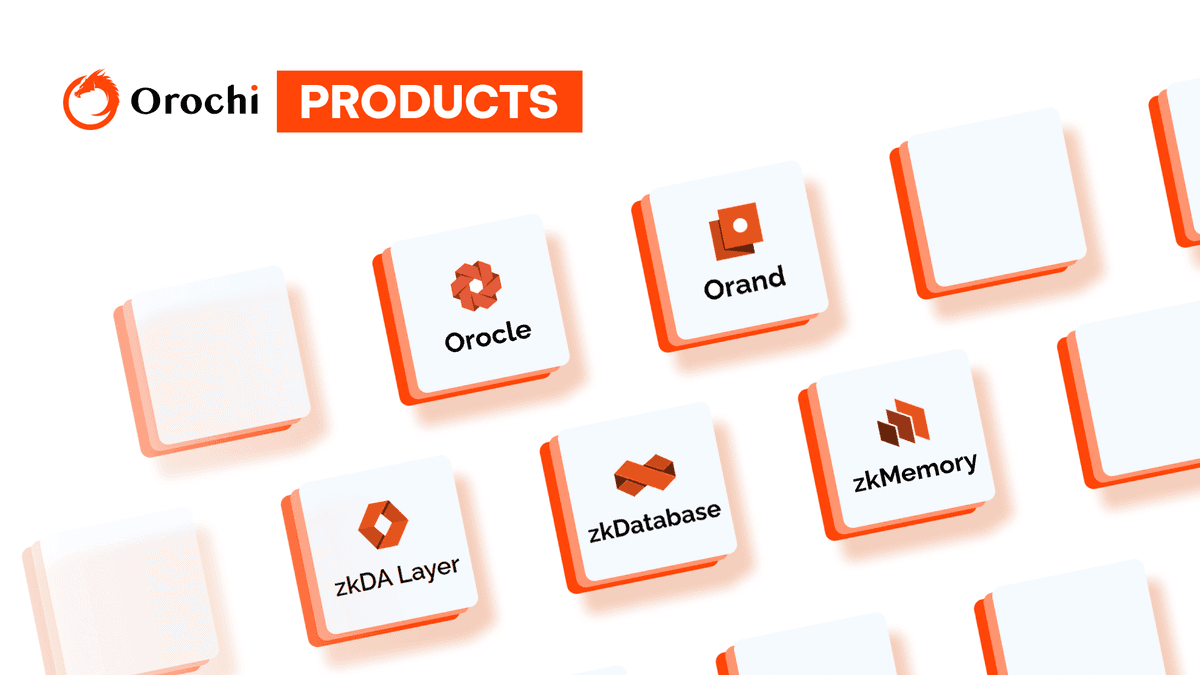
zkDatabase – a next-generation noSQL database with cryptographic proofs of data integrity.
-
Verifiable Data Pipeline – providing proofs at every step of data sampling, transformation, and storage.
-
ZK-Data Rollups – compressing and proving entire data pipelines into succinct proofs.
-
Hybrid aBFT Consensus – ensuring scalability with fast finality across chains.
-
Proof-System Agnosticism – compatible with Halo2, Plonky3, ZK-STARKs, and more.
For RWA tokenization, this means Orochi can:
-
Guarantee audit-grade data integrity from off-chain asset records to on-chain tokens.
-
Ensure privacy-preserving compliance with KYC/AML and regulatory requirements.
-
Deliver blockchain-agnostic integration, enabling tokenized assets to flow across multiple ecosystems.
zkDatabase – Audit-Grade Data Integrity
At the heart of Orochi’s infrastructure is zkDatabase, the gold standard for audit-grade data integrity. zkDatabase combines the flexibility of modern noSQL databases with Zero-Knowledge Proofs (zkSNARKs and zkSTARKs). Every data query or transaction can be proven cryptographically, without exposing sensitive details.
Key features include:
-
Verifiable transactions – each query generates a succinct proof of correctness.
-
Modular cryptography – future-proof with support for next-gen proof systems like Plonky3.
-
Granular permissions – inspired by GNU/Linux models, offering enterprise-grade security.
-
On-chain & off-chain options – zkDatabase can run entirely off-chain or roll up cryptographic states on-chain (e.g., via Mina Protocol).
For RWA tokenization, zkDatabase ensures every tokenized asset record is auditable, reducing risks of fraud, misreporting, or regulatory non-compliance.
How zkDatabase Works in RWA Tokenization
Here’s how zkDatabase integrates into the RWA tokenization pipeline:
-
Asset Data Ingestion – real-world data (e.g., property deeds, financial records) is ingested into zkDatabase.
-
Verifiable Proofs – zkDatabase generates Zero-Knowledge Proofs to verify data integrity without exposing private records.
-
On-Chain Rollups – succinct proofs are committed to the blockchain, ensuring auditability by regulators and investors alike.
-
Compliance Enforcement – zkDatabase’s permission system enforces fine-grained access for auditors, issuers, and investors.
-
Audit-Grade Transparency – every action (mint, transfer, redemption) tied to tokenized assets is provable, tamper-proof, and regulator-ready.
This makes zkDatabase a critical compliance bridge, enabling RWA tokenization to thrive under strict financial regulations.
Orochi’s Use Cases for RWA in 2025
Helix – Next-Gen DeFi
Helix integrates zkDatabase to bring provable RWA collateralization into DeFi. Investors can trust that tokenized bonds, commodities, or real estate are cryptographically backed, unlocking safer yield opportunities.
Lumia – Real Estate & Infrastructure
Lumia applies Orochi’s infrastructure to real estate tokenization, where property titles, zoning, and transaction history must be audit-grade. With zkDatabase, Lumia ensures tokenized real estate markets operate with regulatory confidence.
Plume – Supply Chain & Trade Finance
Plume leverages zkDatabase to tokenize commodities and supply chain assets. Every shipment, invoice, or certificate of authenticity can be cryptographically proven, reducing fraud in global trade finance.
Conclusion
As real-world asset (RWA) tokenization accelerates toward a multi-trillion-dollar market by 2030, only infrastructures that deliver audit-grade integrity, scalability, and compliance will endure. Orochi Network, powered by its advanced zkDatabase, sets the gold standard for audit-grade data integrity, ensuring every tokenized asset is verifiable, private, and regulator-ready.
With proven use cases such as Helix, Lumia, and Plume, Orochi Network is positioned as the backbone of the RWA revolution in 2025 and beyond. Enterprises seeking secure, scalable, and compliant tokenization should look to Orochi’s infrastructure to future-proof their strategies and build lasting investor trust.
FAQs
Why is infrastructure critical for RWA tokenization?
Because tokenizing real-world assets requires audit-grade trust. Without verifiable data integrity, RWA tokens risk being non-compliant, fraudulent, or unscalable.
How does Orochi Network differ from other infrastructures?
Unlike legacy DA layers or centralized oracles, Orochi provides cryptographic proofs at every step of the data pipeline, ensuring tamper-proof, privacy-preserving, and interoperable tokenization.
What role does zkDatabase play in RWA tokenization?
zkDatabase ensures every transaction, query, and token issuance is provably correct, without exposing private data. It bridges compliance, scalability, and trust.
Related toResearch